The Differences Between Plays, Musicals, and Operas
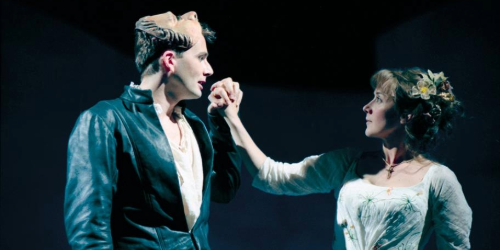
Example of a Play: Romeo and Juliet
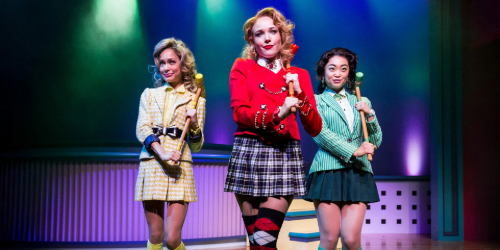
Example of a Musical: Heathers the Musical
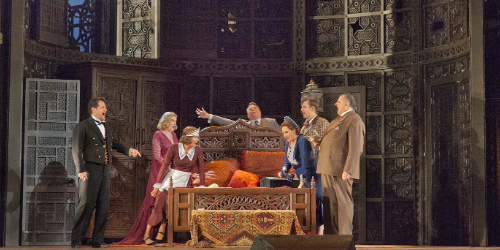
Example of a Opera: The Marriage of Figaro
Overview
As a kid, I grew to love the theater and its various forms of performance: plays, musicals, and operas. Acting quickly became a fun hobby for me, as it let me become someone else, even for just a moment. In fact, I loved theater so much that during my first year of high school, I joined the theater club and took the class as a ‘minor art elective.’ Through the experience, I picked up on the distinctions that make plays, musicals, and operas so different, and, more importantly, I figured out what makes the three performance types so different. However, being able to differentiate among the three also brought the aggravation I felt when someone did not see it the way I did. Honestly, I was surprised by how common it was for people not to know there even were differences. The main difference among the three forms of theater is how the writer(s) tell the story: through songs, choreography, or just dialogue and action prompts that actors follow to get the plot going. On each page, I will go in-depth into each type and the differences in performance in theater, to hopefully clear up the confusion between the three.